
What Makes a Great Espresso Shot
A great espresso shot is small, but there is a lot happening inside that cup. It should be rich without tasting burnt, bold without being harsh, and smooth enough to enjoy on its own or as the base of a latte, cappuccino, or macchiato.
For coffee enthusiasts in Metairie, LA, knowing what makes espresso good can make every café visit more enjoyable. It helps you understand why one shot tastes sweet and balanced while another tastes sour, bitter, or flat.
The best espresso bars pay close attention to the details. Bean freshness, grind size, water temperature, pressure, timing, and barista skill all work together to create a shot that tastes clean, full, and satisfying.
What Should a Great Espresso Shot Taste Like
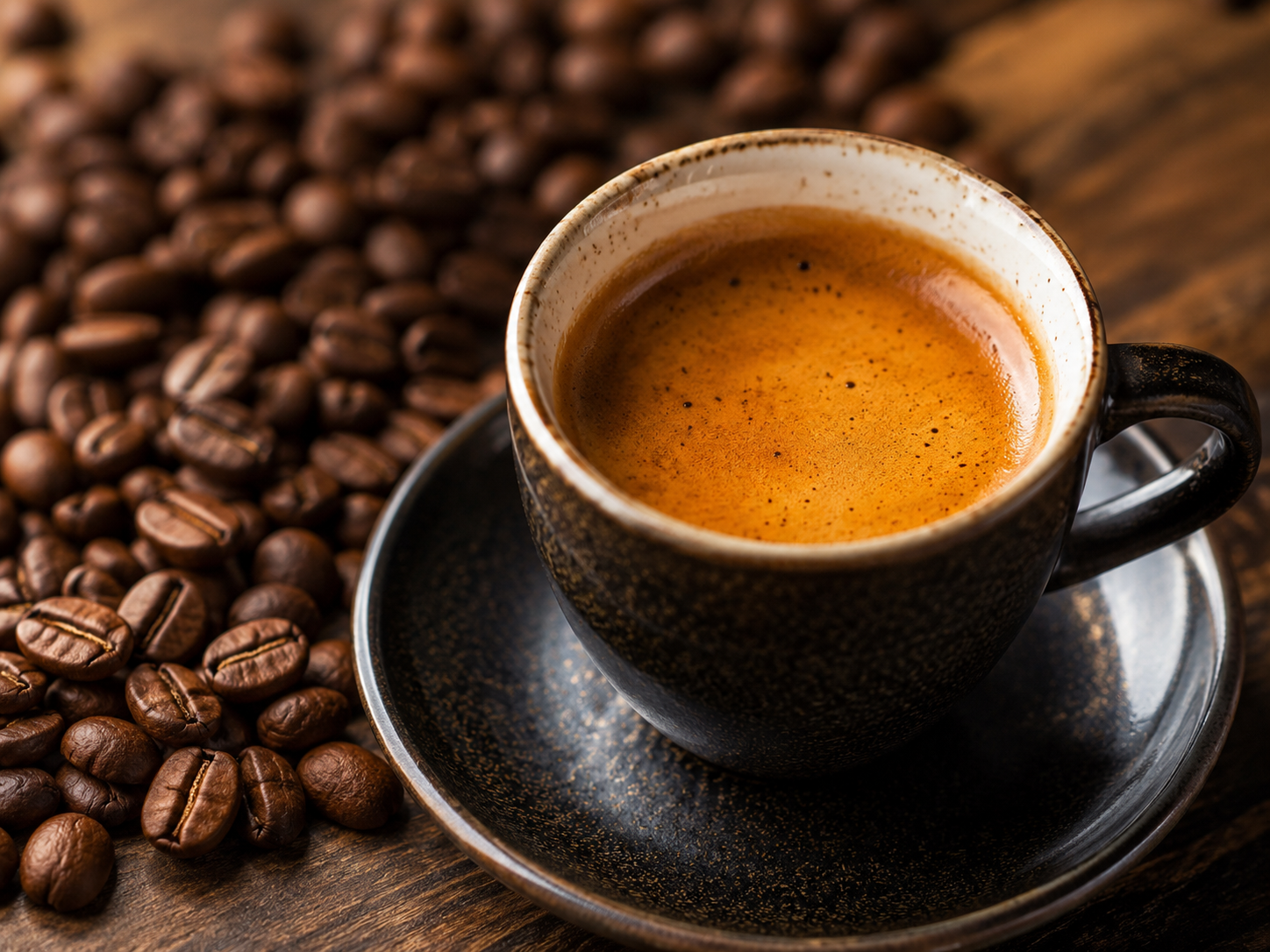
A well-pulled espresso shot should have balance. It should not taste like plain strong coffee. Instead, it should have layers of flavor, a smooth body, and a finish that lingers without feeling sharp or burnt.
Good espresso often has notes of chocolate, caramel, nuts, fruit, or gentle sweetness depending on the beans used. The flavor should feel concentrated but not overwhelming.
Sweetness Matters More Than Bitterness
Many people assume espresso is supposed to taste bitter. A little bitterness can be normal, but too much usually means the shot was over-extracted, the beans were roasted too dark, or the grind was too fine.
A better espresso shot has natural sweetness. That sweetness can taste like brown sugar, cocoa, toasted almond, or dried fruit. This is why many specialty coffee shops focus so much on the bean source, roast level, and brewing method.
For coffee lovers comparing local options, espresso bars in Metairie, LA can offer a better experience when they focus on flavor balance instead of just serving the strongest cup possible.
Crema Should Look Fresh, Not Foamy
Crema is the golden-brown layer that sits on top of a fresh espresso shot. It can tell you a lot about how the espresso was prepared, but it is not the only sign of quality.
Healthy crema should look smooth and lightly textured. If it disappears instantly, the beans may be stale or the shot may have been pulled incorrectly. If it is too thick and foamy, the coffee may taste harsh or uneven.
How Do Beans, Grind, and Timing Affect Espresso
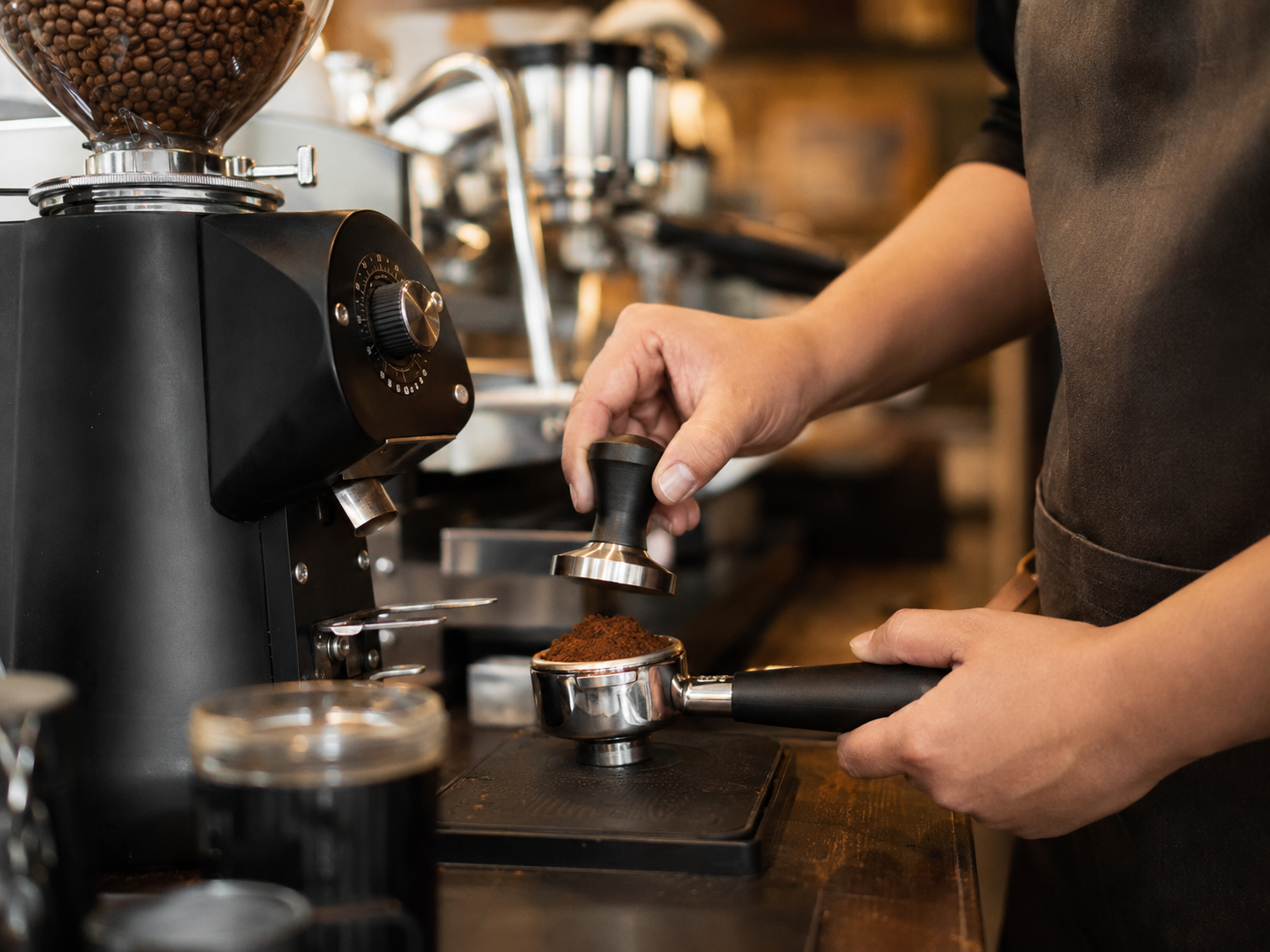
Espresso is sensitive. Small changes in grind size, dose, or timing can completely change the flavor. That is why skilled baristas treat espresso like a craft, not just a quick button press.
A great shot usually takes around 25 to 30 seconds to pull, though this can vary based on the coffee, equipment, and recipe. The goal is not just speed. The goal is proper extraction.
Fresh Beans Make a Big Difference
Fresh coffee beans hold more aroma and flavor. Once beans sit too long after roasting, they lose the oils and gases that help create a lively espresso shot.
This is one reason artisan coffee shops often care deeply about freshness. They know that espresso depends on quality ingredients before the brewing even begins. Fresh beans can create a fuller cup with better aroma, smoother texture, and more natural sweetness.
Fresh breads in Metairie, LA can also pair well with espresso because both depend on timing, freshness, and careful preparation. A warm pastry with a balanced espresso shot can turn a quick coffee stop into a better morning routine.
Grind Size Controls Flavor
Espresso requires a fine grind, but it cannot be too fine. If the grind is too coarse, water passes through too quickly and the espresso tastes sour or weak. If the grind is too fine, water moves too slowly and the shot tastes bitter or dry.
Baristas at quality espresso bars adjust the grinder throughout the day. Changes in humidity, bean age, and temperature can affect how coffee extracts. That attention to detail is one sign that a café takes espresso seriously.
Timing Helps Baristas Find Balance
Timing is one of the easiest ways to spot consistency. A shot that runs too fast may lack body. A shot that runs too slow may taste heavy and unpleasant.
Still, timing is only part of the process. A barista also looks at the color of the espresso, the flow from the portafilter, the crema, and the final taste. Good espresso depends on both technical skill and sensory judgment.
Why Do Some Espresso Shots Taste Sour or Burnt
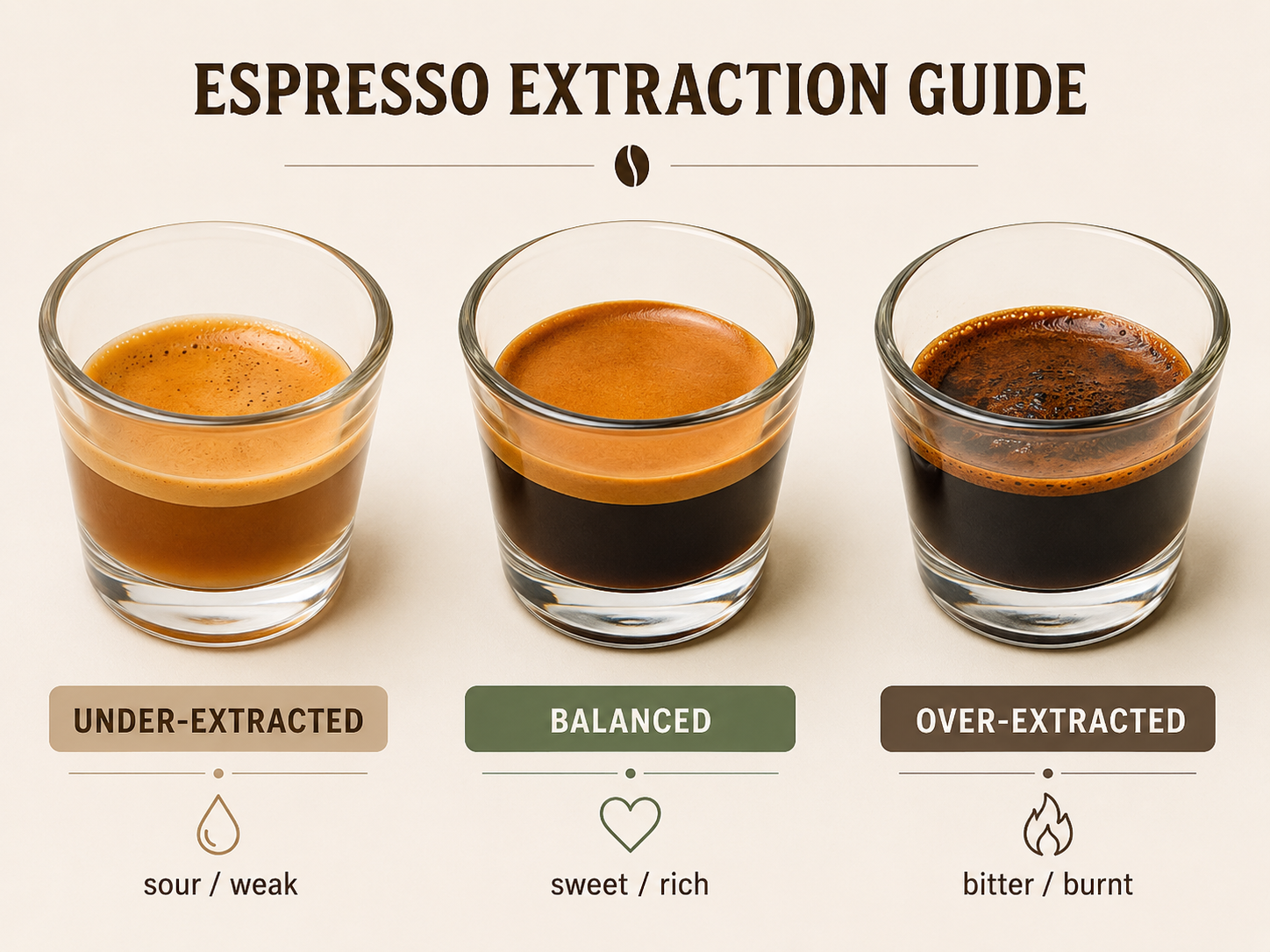
A sour or burnt espresso shot usually points to extraction problems. Extraction is the process of pulling flavor from ground coffee using hot water and pressure. When extraction is off, the taste shows it right away.
Sour espresso often means the shot was under-extracted. Burnt or harsh espresso often means the shot was over-extracted. Neither one gives the beans a fair chance to shine.
Sour Espresso Usually Comes From Under-Extraction
Under-extraction happens when water does not pull enough flavor from the coffee grounds. This can happen if the grind is too coarse, the shot runs too quickly, or the water temperature is too low.
The result can taste thin, sharp, or lemony in an unpleasant way. Some coffees naturally have bright fruit notes, but a good barista knows the difference between pleasant brightness and sour imbalance.
Burnt Espresso Usually Comes From Over-Extraction
Over-extraction happens when water pulls too much from the grounds. This can create a dry, bitter, or burnt taste that covers up the better flavors in the coffee.
At specialty coffee shops in Metairie, LA, careful preparation helps prevent these issues. Clean equipment, adjusted grinders, properly stored beans, and trained baristas all help create a smoother shot.
What Makes Espresso Bars Worth Visiting
The best espresso bars are not only about the machine behind the counter. They are about consistency, hospitality, and care. A great café makes good coffee feel approachable, even for people who are still learning what they like.
A good espresso bar should be able to serve espresso on its own and also use it as a strong foundation for milk drinks. If the espresso is weak, sour, or burnt, the latte or cappuccino will not taste right either.
A Skilled Barista Knows How to Adjust
Espresso changes throughout the day. A trained barista checks the grind, monitors shot timing, and tastes the espresso when needed. This keeps the drinks consistent from morning to afternoon.
That skill matters because coffee is never completely automatic. Even with a strong machine, the human touch still makes the difference.
Milk Drinks Depend on Good Espresso
A latte, cappuccino, or cortado can only be as good as the espresso inside it. Milk can soften bitterness, but it cannot fully hide a poorly pulled shot.
When espresso is balanced, milk drinks taste sweeter and smoother without needing too much added sugar. That is one reason coffee cafes in Metairie, LA should focus on the espresso first, not just flavored syrups or toppings.
The Café Experience Also Matters
Coffee enthusiasts often look for more than caffeine. They want a place that feels welcoming, consistent, and worth returning to.
Cozy cafes in Metairie, LA can make espresso feel even more enjoyable by pairing strong drinks with fresh pastries, relaxed seating, and friendly service. The best coffee moments often come from both the cup and the setting.
How Can You Choose Better Espresso in Metairie, LA
Metairie, LA has plenty of people who appreciate a good cup of coffee, whether they are starting the workday, meeting a friend, or stopping for an afternoon treat. A great espresso shot fits the pace of the area: quick when needed, but still made with care. When local coffee enthusiasts know what to look for, they can better appreciate espresso bars that value fresh ingredients, skilled preparation, and a welcoming café experience.
Learn More About Better Espresso at tM Breads & Pastries
For carefully prepared coffee and pastries in Metairie, LA, visit tM Breads & Pastries or call 504-302-7234. Learn more about our espresso bars, specialty coffee shops, and fresh café offerings made for local coffee enthusiasts.
Frequently Asked Questions
What makes an espresso shot good?
A good espresso shot should taste balanced, smooth, and full-bodied. It should have natural sweetness, a pleasant aroma, and a finish that is not overly bitter or sour. The quality depends on the beans, grind size, timing, pressure, and barista skill.
Why does espresso sometimes taste bitter?
Espresso can taste bitter when it is over-extracted, when the beans are over-roasted, or when the equipment is not properly cleaned. Some bitterness is normal, but it should not overpower the cup. A balanced shot should have depth without tasting burnt.
Is espresso stronger than regular coffee?
Espresso tastes stronger because it is concentrated, but a single shot usually contains less total caffeine than a large cup of brewed coffee. The difference is serving size. Espresso delivers bold flavor in a smaller amount.
What is the difference between espresso bars and regular coffee shops?
Espresso bars often focus more heavily on espresso-based drinks like shots, lattes, cappuccinos, and cortados. Regular coffee shops may serve a wider range of brewed coffee, food, and casual drinks. Many specialty coffee shops combine both approaches.
What should I order if I am new to espresso?
A latte or cappuccino is a good place to start because the milk softens the intensity of the espresso. If you want to taste the espresso more clearly, try a cortado or an Americano. Once you get used to the flavor, a straight espresso shot can help you appreciate the coffee itself.
A great espresso shot comes from care, not guesswork. Fresh beans, the right grind, good timing, and a skilled barista all shape the final cup. For coffee enthusiasts in Metairie, LA, tM Breads & Pastries is a local place to learn more, taste better espresso, and enjoy the café experience one cup at a time.